 Syllabus
This Month's Deep Dive
The Quiet Collapse
of the Gradebook
The gradebook was never a measurement instrument. It was always a negotiation — and the software just made the negotiation invisible.
For two decades, learning management systems have shipped gradebook modules that look like spreadsheets but behave like bureaucracies. Weights, curves, and exemptions pile up semester after semester until no two instructors at the same institution are calculating a 'B' the same way. A 2024 audit of 14 community college districts found that 61% of course sections used non-default grading configurations — yet only 8% had documented rationale for those changes.
Source: National Center for Education Statistics, cross-referenced with vendor audit logs.
% sections with non-default config
avg 61%Fig. 1 — Non-default gradebook configurations across 14 CC districts, 2024 audit
When the grade is a black box, the student can't learn from it. And when the instructor can't explain it, the institution can't defend it.
The downstream consequences compound quietly. Financial aid satisfactory-academic-progress appeals spiked 34% at institutions that migrated LMS platforms between 2021 and 2023 — not because students performed worse, but because grading logic failed to migrate correctly. Instructors discovered the discrepancies only when students were already on probation. Three institutions in the dataset had to retroactively recalculate final grades for entire cohorts, triggering accreditation inquiries.
Source: Financial Aid Directors Survey, 2024 — n=312 institutions.
Fig. 2 — SAP appeal volume spike correlated with LMS migration windows, 2019–2024
The solution isn't a better gradebook. It's separating the evidence layer from the judgment layer — and only one of those should live in your LMS.
The full issue maps a three-layer model: evidence (raw assessment data), synthesis (weighted aggregation), and judgment (professional override). Most LMS gradebooks collapse all three into a single cell, which is precisely why migrations break them. Institutions that have piloted the separation — keeping synthesis logic in a purpose-built rules engine and reserving the LMS for evidence only — report 70% fewer grade discrepancy tickets and dramatically cleaner audit trails. The architecture is simpler than it sounds.
Full framework mapped across 47 pages in the complete issue.
01 — Evidence Layer
Raw assessment data · Quiz scores · Submission records
02 — Synthesis Layer
Weighted aggregation · Rules engine · Policy logic
03 — Judgment Layer
Professional override · Incomplete grades · Context
Fig. 3 — Three-layer grade architecture: evidence / synthesis / judgment separation
Continue the Argument
Send Me the Full Issue
47 pages. The complete three-layer framework, annotated vendor comparison, and a migration checklist your IT team will actually use.
Past Issues
6 dispatches · Vol. 06 – Vol. 11
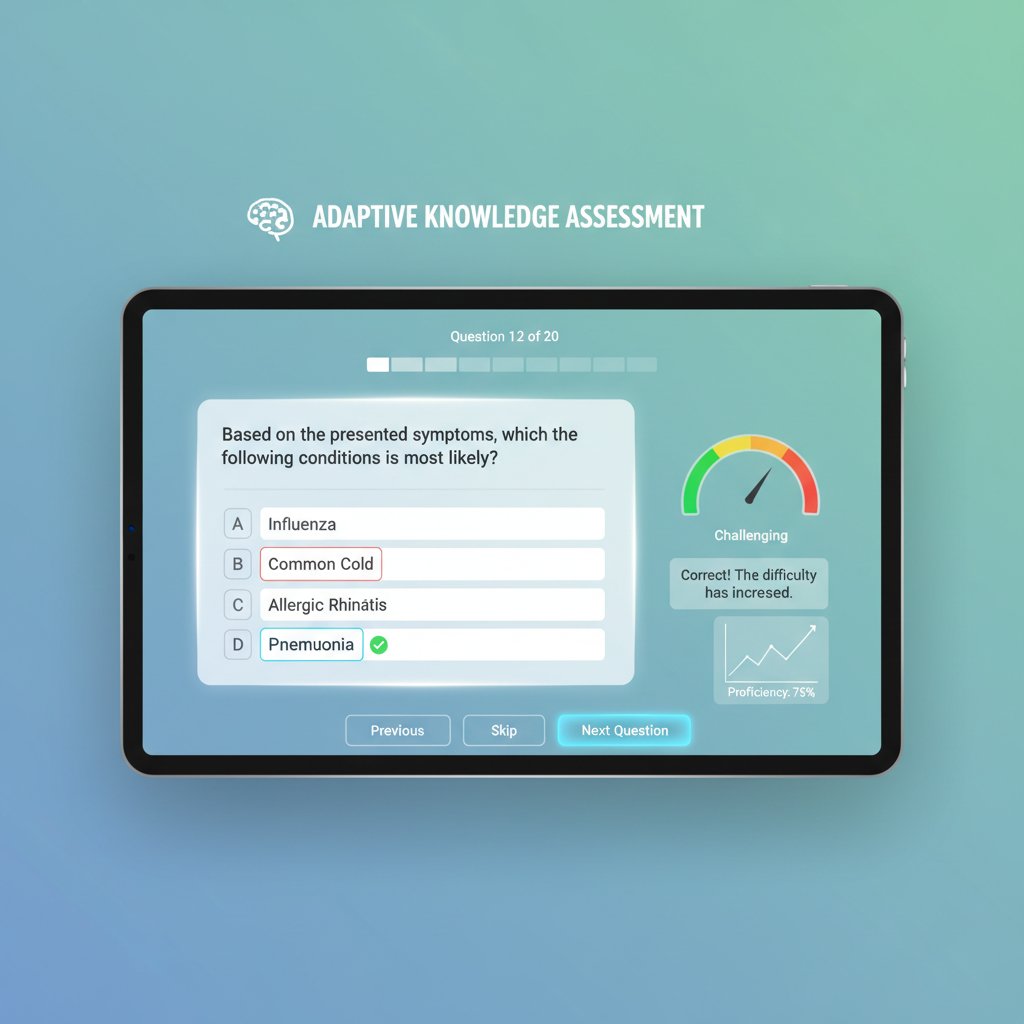
Adaptive Testing Engines: What the Vendors Won't Publish
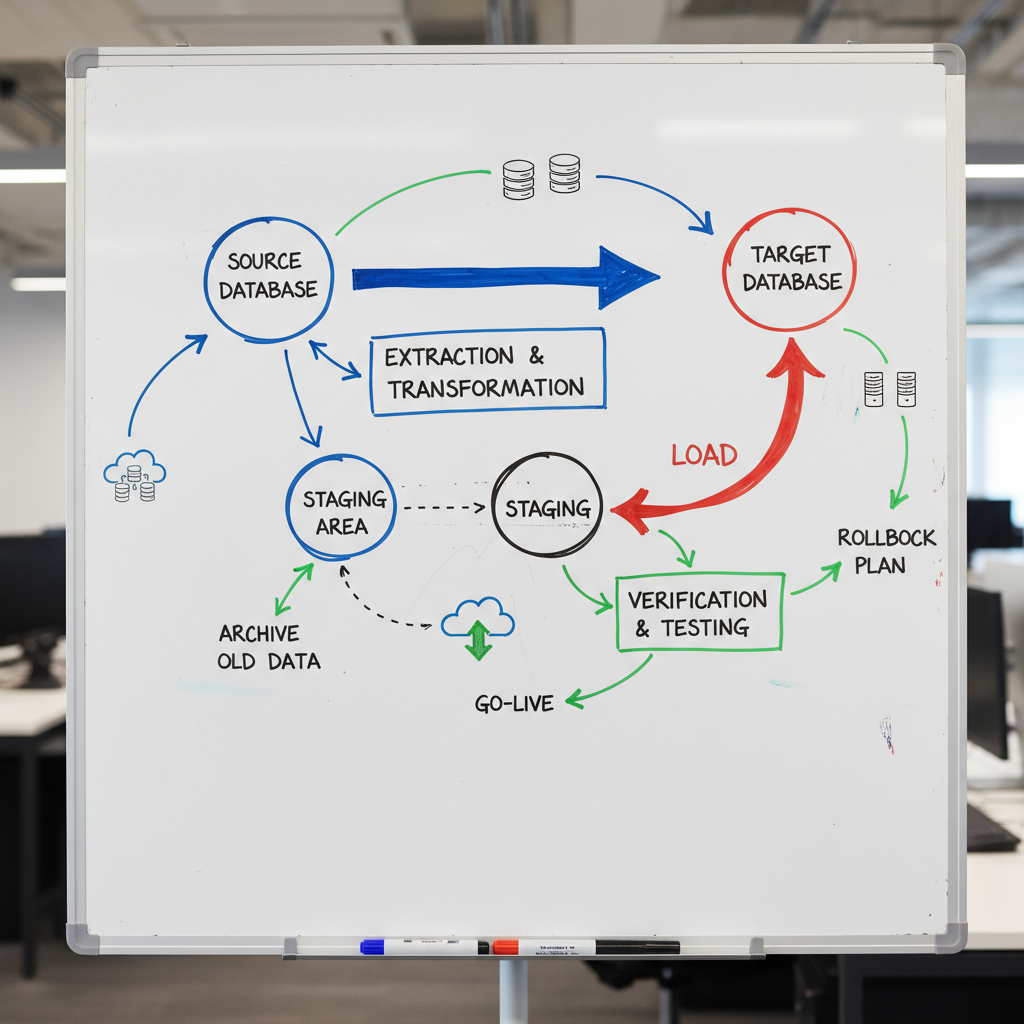
The LMS Migration Playbook Nobody Wrote

AI Tutoring Loops: Closing the Feedback Gap

Procurement Theater: Why RFPs Don't Capture Pedagogy

Competency-Based Everything: A Skeptic's Field Guide

The Authoring Tool Graveyard — and What Survives